Orthodontic Specialist vs. General Dentist: Who Should Straighten Your Teeth?
An orthodontic specialist and a general dentist can both help with your smile, but their training and daily work are different. This article explains how the two compare and when each one is the right choice, so families around West Salem, WI, can decide with confidence.
What a General Dentist Does
A general dentist cares for your overall oral health. That includes cleanings, exams, fillings, and checks for gum problems.
Your family dentist is also the person who spots problems early. Many patients are first told they may need braces at a regular dental visit.
What an Orthodontist Does
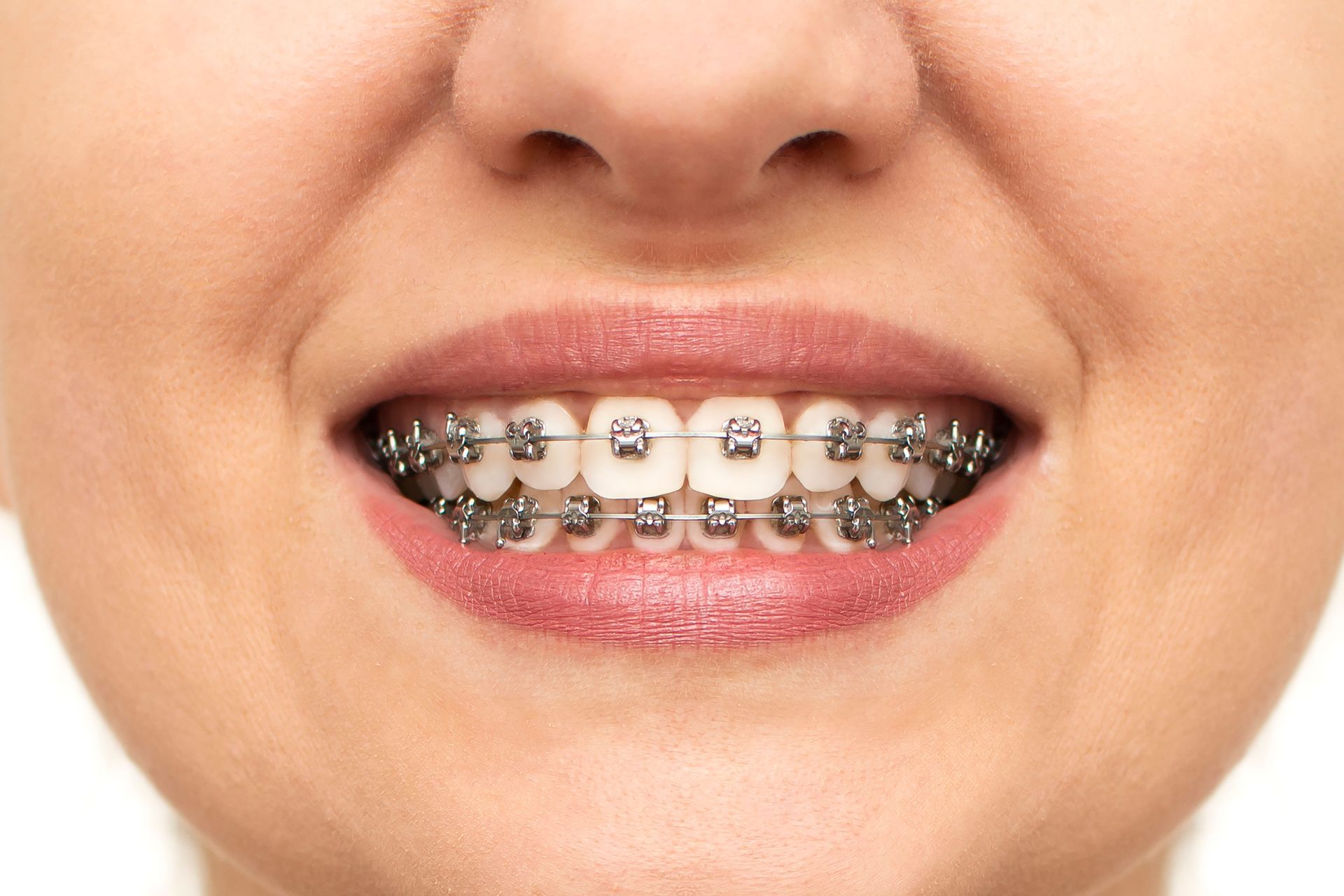
An orthodontic specialist focuses only on the alignment of teeth, jaws, and bites. After dental school, an orthodontist completes two to three more years of advanced training in this field.
That training covers how teeth move, how jaws grow, and how to plan treatment over many months. The daily work is braces, retainers, and bite correction.
Key Differences at a Glance
Here is how the two roles usually differ:
- A general dentist provides broad care, while an orthodontist provides focused care.
- A dentist often sees patients every six months, while an orthodontist sees braces patients on a regular treatment schedule.
- A dentist treats cavities and gum issues, while an orthodontist treats crowding, spacing, and bite problems.
- A dentist may refer patients, while an orthodontist plans and carries out the alignment work.
Both roles matter. They work best as a team.
Which Problems Call for a Specialist?
A specialist is the right choice when the problem involves how teeth and jaws fit together. Common examples include:
- Crowded or spaced teeth.
- Narrow arches.
- Impacted teeth.
- Improper jaw alignment.
- Overbites, underbites, and crossbites.
If you are not sure, a free exam can help you find out. You do not always need a referral, so you can call an orthodontic office directly.
Does a Specialist Do Everything a Dentist Does?
No, and that is a good thing. An orthodontist does not replace your family dentist. Patients in braces should keep seeing their general dentist about every six months for cleanings and exams.
Many orthodontic offices do not provide general dental exams or cleanings at all. Some will share x-rays with your dentist so everyone stays on the same page.
Why Some Families Choose a Specialist for Braces
Families often choose an orthodontic specialist because braces are all the specialist does. That daily focus can build deep experience with many kinds of cases.
Other reasons include:
- A plan built around your whole bite.
- Choices such as metal braces, clear braces, and ceramic braces.
- Care for children, teens, and adults in one place.
- A doctor who can answer questions about each step.
Ask any provider who will plan and perform your treatment. Doctor-led care means one orthodontist handles the plan and the adjustments, not an outside program.
How Treatment Time and Visits Compare
Your dentist visit may last under an hour, and you may not return for six months. Braces work on a different schedule. Teeth often move about one millimeter per month, so treatment can last many months, with regular visits to adjust the braces.
How long you wear braces depends on how severe the problem is, whether you wear elastics as directed, and whether you keep your appointments. A broken bracket or poking wire can slow progress, so it helps to call the office early if something feels wrong. An orthodontic specialist can explain your likely timeline after a short exam, along with what you can do to keep treatment on track.
When to Start the Conversation
The American Association of Orthodontists recommends a first check by age seven. An early look can show whether a child needs treatment now or can simply be watched as they grow.
Adults are welcome too. Many people begin braces after years of wanting to fix one tooth or a crowded smile. You can learn more in our guide on types of orthodontic treatment.
Questions to Ask Either Provider
Whether you see a dentist or an orthodontist, ask clear questions:
- What training do you have in braces?
- Who will perform my treatment?
- How long might it take?
- What choices do I have?
- What are the payment options?
Good answers should feel plain and complete. If something is unclear, ask again.
See an Orthodontic Specialist Near West Salem
For West Salem and the wider La Crosse area, Mosling Orthodontics offers care led by Dr. Michael Mosling, who earned a master's degree in orthodontics from the University of Iowa. He plans every case himself and performs all treatment in the office. Exams are free, and you do not need a referral.
To meet Dr. Mosling, call
(608) 782-1950 or visit the
contact page to book a time. Learn about the choices on our
services page first if you like.